



Constant Sneezing? How to Tell Nasal Allergies from a Cold and 5 Ways to Find Relief
Causes, warning signs and relief for constant sneezing
What can you do about nasal allergies? If you start sneezing nonstop with a runny nose as soon as you wake up or step into an air-conditioned room, the most direct response is to put on a high-filtration mask to block allergens, keep indoor temperature and humidity under control, and see an ENT specialist for a professional assessment. Why does this happen, and how can you tell what is causing it? This article explains how to tell a cold from allergies and offers practical tips for protection at home and on the go.
Contents ❯
Possible Causes of Constant Sneezing
Sneezing is one of the body’s defense mechanisms. When the nasal lining is irritated by foreign substances, nerves quickly send a signal to the brain, which tells the airways to expel the irritant with a strong burst of air. Frequent sneezing has many possible causes, and it is not always due to a cold.
Allergic Rhinitis and the Immune Response
When the immune system mistakes otherwise harmless substances—such as airborne dust mites, pollen, mold spores or pet dander—for harmful invaders, it launches a defense response and releases histamine and other inflammatory mediators. This makes the nasal lining swell and become congested, produces large amounts of clear mucus, and is often accompanied by intense itching of the nose and eyes. For people prone to allergies, even a tiny amount of an allergen can trigger a series of violent sneezes.
Respiratory Viral Infections
When cold or flu viruses invade the upper respiratory tract, they can also irritate the lining of the nose and throat and cause frequent sneezing. Unlike allergies, however, viral infections usually come with a sore throat, body aches, coughing and varying degrees of fever. Sneezing and respiratory discomfort caused by a virus usually improve as the immune system clears the infection.
Non-allergic Rhinitis and Environmental Irritants
Some people sneeze frequently and have a stuffy nose, yet blood tests do not reveal any specific allergen. This type of non-allergic rhinitis is often linked to temperature changes, air pollution, strong odors or individual constitution. For example, many people sneeze several times in a row when they wake up to a change in room temperature, walk in and out of heavily air-conditioned rooms, or smell perfume, cooking fumes or secondhand smoke, because their nasal lining becomes overly sensitive.
Structural Problems in the Nasal Cavity
A noticeably deviated septum or enlarged turbinates changes how air flows through the nasal cavity, making parts of the nasal lining more easily irritated by dry air or friction. Although these structural factors are not caused by allergens, they can amplify reactions to environmental irritants, making sneezing and nasal congestion more likely.
5 Clues to Tell a Cold from Allergies
To tell whether your discomfort comes from a viral infection or an overactive immune system, you can look at a few key characteristics. Knowing these clues helps you take the right steps from the start.
When Symptoms Occur
Allergic rhinitis attacks usually follow a regular pattern. Many people suddenly sneeze repeatedly right after waking up, when exposed to cold air, or while tidying a room and shaking out bedding. In contrast, sneezing and respiratory symptoms caused by a cold persist throughout the day and do not ease right away when you leave a particular environment.
Type of Nasal Discharge
During an allergy attack, nasal discharge is usually clear, thin and watery. If it turns thick and yellow-green, it usually means the body is fighting a viral or bacterial infection, which is more common in the middle to later stages of a cold.
Itchy Nose and Eyes
Intense itching of the nose and eyes is a hallmark of allergies. When histamine is released, people often can’t help rubbing their eyes or nose. A common cold may also cause a stuffy or runny nose, but strong itching is relatively uncommon.
Sore Throat
When cold viruses attack the upper respiratory tract, a sore throat is often one of the earliest and most noticeable symptoms, sometimes with a stinging pain when swallowing. People with allergies rarely have a severe sore throat; instead, postnasal drip may cause a scratchy or slightly itchy throat.
Fever and General Discomfort
Allergic rhinitis is purely an overreaction of the immune system to irritants and does not cause a fever. If you also have a fever, muscle aches, fatigue or other whole-body symptoms, it is almost certainly an infection caused by a cold or flu virus.
| Allergic Rhinitis | Common Cold | |
|---|---|---|
| Main triggers | Dust mites, pollen, temperature changes, airborne irritants | Rhinovirus, influenza virus and other pathogens |
| Onset | Sudden attacks after waking up or on contact with allergens | Persists throughout the day; lasts about one to two weeks |
| Nasal discharge | Clear, thin and watery | Clear at first, turning thick and yellow-green later |
| Other symptoms | Nasal congestion, intense itchy nose and eyes, sneezing | Sore throat, cough, body aches, fatigue |
| Fever | No | Often a mild to moderate fever |
What to Do About Nasal Allergies: 5 Key Approaches
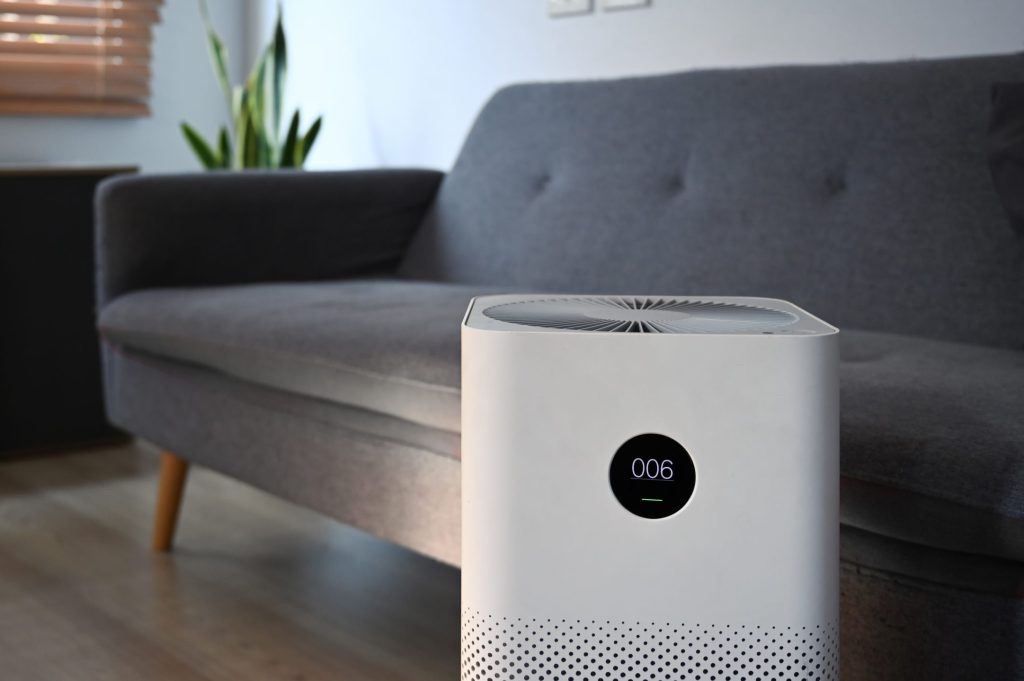
When allergic reactions flare up frequently, simply putting up with them won’t solve the problem. You can tackle the discomfort from several key angles—daily protection, environmental management and professional medical care—and reduce how often attacks occur with an all-round approach.
Protect Yourself and Avoid Triggers
Outdoor air is often full of invisible particles such as fine particulate matter, pollen, dust and vehicle exhaust, all of which are major triggers of a sensitive nasal lining.
- Stay away from triggers: In daily life, try to avoid spending long periods around secondhand smoke, fragranced products, cooking fumes or harsh chemical cleaners, so that your airways are not directly exposed to chemical irritants.
- Wear a mask to block particles: When air quality is poor or you need to be in public places, wearing a mask with good filtration efficiency is essential. Ordinary flat masks often can’t fully block these tiny particles, so we recommend :dc masks with nano-membrane and advanced filtration technology to effectively guard against fine particulate matter and oily aerosols. Make sure the mask fits snugly against your face and press the nose wire firmly into place so that no gaps let polluted air leak in.
Manage Your Home Environment
Indoor spaces are where we spend most of our time, and without proper upkeep they can become a breeding ground for allergens.
- Keep your sleeping area clean: Pillows, mattresses and other fabrics in the bedroom easily collect dust mites and skin flakes. Washing sheets and duvet covers regularly in hot water significantly reduces exposure to allergens. Vacuum pillows and mattresses, and consider anti-mite covers such as the :dc anti-mite pillow protector, whose membrane encases the pillow and keeps dust mites and their droppings away from your airways.
- Control humidity and deal with mold: Taiwan’s climate is generally humid, and when indoor humidity stays high for long periods, mold and dust mites multiply quickly. Use a dehumidifier to keep indoor humidity between 50% and 60%, and regularly clean any mold that appears in the bathroom or on walls.
- Check air quality before opening windows, or use a window filter: Many people like to open the windows first thing in the morning, but check the outdoor air quality index and pollution sources before doing so. If outdoor air quality is poor or it is rush hour, keep the windows closed and rely on an air purifier instead. To keep air flowing while blocking allergens, install a :dc smog-stopper window screen filter with micro-pore filtration on your window screen. It allows natural ventilation while keeping outdoor dust and pollution particles out, so opening the window doesn’t set off a sneezing fit.
Nasal Irrigation
Nasal irrigation can remove allergens, pollen and secretions clinging to the nasal lining, helping to relieve congestion and the feeling of something stuck in the nose. Note that you should never use untreated tap water for rinsing; use sterile saline or water that has been boiled and cooled, and thoroughly clean and air-dry the rinsing device after each use to avoid bacterial infection.
Pay attention to water pressure when rinsing so you don’t push too hard and cause ear discomfort. Once or twice a day is enough. If your nose is acutely inflamed, seriously injured or completely blocked, stop and consult a doctor first.
Adjust Your Daily Routine
The body’s immune balance is closely tied to daily habits, and a regular routine can help reduce the severity of allergic reactions.
- Sleep and stress management: Staying up late or living under constant stress can disrupt normal immune regulation and lower the body’s tolerance to outside triggers. Getting enough sleep and finding healthy ways to release stress lay the foundation for a more stable constitution.
- Regular exercise and hydration: Moderate aerobic exercise promotes blood circulation and helps the airways adapt to temperature changes. Drinking enough water throughout the day also helps keep the airway lining moist.
- Managing temperature changes: Sudden temperature changes—walking in and out of strongly air-conditioned rooms or during seasonal transitions—often trigger sneezing. Keep a light jacket or scarf handy in air-conditioned spaces so that your neck, mouth and nose are not directly exposed to cold air.
Medical Evaluation
If your allergy symptoms keep getting worse, do not improve after adjusting your environment, or you experience shortness of breath or chest tightness, see a doctor as soon as possible. A doctor can use nasal endoscopy to check for enlarged turbinates or a deviated septum, prescribe suitable medication (such as antihistamines or nasal sprays) based on your condition, and arrange allergy testing if needed.
Before your visit, note when your symptoms occur, how often, any accompanying symptoms and what you have already tried. This helps the doctor pinpoint the cause more accurately and recommend appropriate treatment.

FAQ
Why do I keep sneezing every morning when I wake up?
When you wake up, your parasympathetic nervous system is more active, and the duvet and mattress in your bedroom tend to accumulate large numbers of dust mites overnight. When you get up and are exposed to changes in room temperature or airborne allergens, the irritated nasal lining triggers reflexive, repeated sneezing.
My child has allergies. Besides an air purifier, what else can we do at home?
Besides using an air purifier, the most important step is to strictly manage fabrics in the bedroom. Wash sheets and duvet covers regularly in hot water, use anti-mite bedding such as the :dc anti-mite pillow protector, and keep indoor humidity between 50% and 60% to reduce dust mites and mold at the source.
Can an ordinary flat mask protect against allergies when I go out?
Ordinary flat masks leave larger gaps and offer limited protection against fine particulate matter and tiny pollen grains. To effectively reduce the allergens you breathe in, choose :dc masks with high filtration efficiency, dense materials and a good seal, and make sure the nose wire is pressed firmly into place.
What should I do if my nasal allergies become severe?
When a nasal allergy attack hits, put on a :dc mask right away to block pollen, exhaust fumes and other irritants in the air. Next, move away from secondhand smoke, cooking fumes or sudden temperature changes, and rinse your nose with saline to clear allergens from the nasal cavity. If symptoms persist and seriously affect your daily life, see an ENT doctor promptly and follow proper medical treatment.
Is long-term use of antihistamines harmful or habit-forming?
Second-generation antihistamines are very safe, are less likely to cause drowsiness and do not lead to physical dependence. Still, any medication should be used as directed by a doctor or pharmacist, with the dose adjusted according to your condition. Do not stop taking it or exceed the recommended dose on your own.
Conclusion
Constant sneezing and nasal allergies are everyday problems for many people. By understanding the causes, learning to tell a cold from allergies, and taking an all-round approach—from protection when you go out and managing your home environment to seeking medical advice—you can effectively reduce how often attacks occur. To guard against airborne allergens and air pollution that are hard to escape, consider :dc: with high-efficiency nano-membrane masks, anti-mite pillow protectors and window screen filters, you can build a reliable everyday line of defense for your and your family’s airways and enjoy a fresher, more comfortable life.