


Seasonal Allergies: Common Symptoms, Causes and 7 Ways to Feel Better
Symptoms, causes and relief for seasonal allergies
Every time the seasons change, many people start sneezing, getting a runny nose or a stuffy nose. These discomforts may be related to seasonal allergies. This article covers the common symptoms and causes of seasonal allergies, along with 7 everyday tips on your home environment, outdoor protection and lifestyle habits to help reduce recurring discomfort during seasonal transitions.
Contents ❯
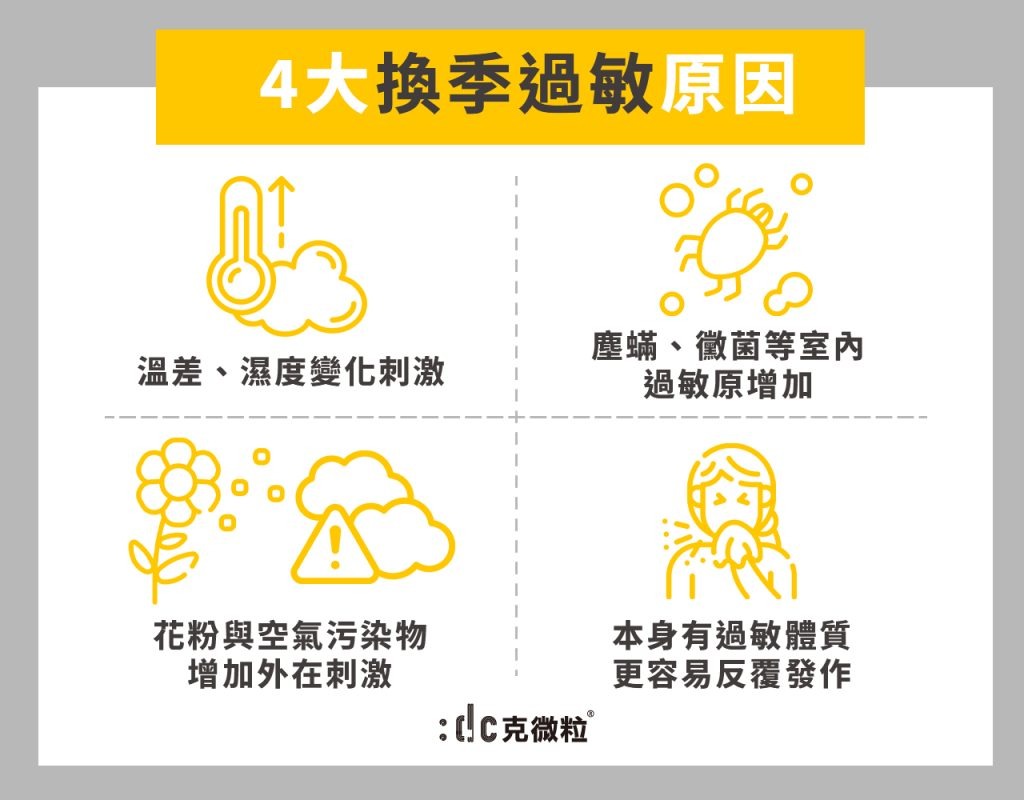
Why Do Seasonal Allergies Happen? 4 Common Causes
During seasonal transitions, temperature, humidity and environmental allergens all change at the same time, making sensitive noses, eyes, skin and airways more prone to discomfort. According to Taipei Hospital, Ministry of Health and Welfare, the prevalence of allergic rhinitis in Taiwan is about 20–30% among adults and over 30% among children, showing how common allergies are.
Changes in Temperature and Humidity
Large day-night temperature differences during seasonal changes mean cold air entering the nose can irritate sensitive nasal mucosa, making sneezing, runny nose or congestion more noticeable. Rapid changes in humidity can also affect indoor air and airway comfort. Taipei Hospital notes that humidity and temperature swings, together with active dust mites, are key reasons allergic rhinitis tends to worsen at this time of year.
More Indoor Allergens Such as Dust Mites and Mold
When indoor air is damp, bedding, mattresses, sofas and poorly ventilated corners can become places where dust mites and mold build up. These are common indoor allergens, and sensitive people may experience nasal congestion, runny nose, sneezing, itchy eyes or even skin discomfort. This is why some people feel worst right after waking up: they spend hours in contact with pillows, quilts and mattresses while sleeping, so their exposure to indoor allergens is relatively long.
Pollen and Air Pollutants Add External Irritation
Pollen, particulate matter and air pollutants outdoors can also make seasonal discomfort more obvious. Pollen is a common allergen; sensitive people who inhale it may sneeze, get a stuffy or runny nose, and have red, itchy or watery eyes. Particulate matter such as PM2.5 and PM10 are air pollutants that can irritate the nose and airways. PM2.5 particles are smaller than 2.5 microns and can reach deep into the respiratory system, so when air quality is poor, people prone to allergies may feel their symptoms more strongly.
People with an Allergic Constitution Are More Prone to Flare-ups
Not everyone develops the same symptoms when the seasons change. Whether symptoms flare up also depends on individual constitution and existing allergic conditions. People who already have allergic rhinitis, asthma or atopic dermatitis, or who are sensitive to dust mites, pollen or mold, are more likely to have recurring symptoms when the environment changes.
What Are the Symptoms of Seasonal Allergies? 4 Types at a Glance
Seasonal allergies do not only affect the nose; they can also affect the eyes, skin and airways at the same time, and timing and severity vary from person to person. Notice whether symptoms are worse when you wake up, go out, return home or go to bed, which can help you trace the allergens or irritants you may have been exposed to.
Nasal Allergies: Sneezing, Stuffy Nose, Runny Nose, Itchy Nose
Nasal symptoms are common during seasonal changes, including repeated sneezing, clear watery mucus, congestion and an itchy nose. If symptoms are worst right after waking up, they may be related to long contact with dust mites and other allergens in bedding during sleep; if they start suddenly when moving in and out of air-conditioned rooms or meeting cold air, temperature changes may be the trigger. Allergens and Pollen notes that common symptoms of allergic rhinitis include sneezing, runny nose and nasal congestion, and that allergens such as pollen can trigger them.
Eye Allergies: Itchy, Red, Watery or Swollen Eyes
When the eyes come into contact with allergens such as pollen or dust, they may become itchy, red, watery or swollen, with itching being a very typical sign of eye allergies. Pollen and Your Health also points out that pollen can trigger allergic conjunctivitis, commonly with red, itchy and watery eyes. If symptoms are obvious when you go out and your eyes are still itchy after you get home, check whether you were exposed to more pollen, dust or air pollution that day, and avoid rubbing your eyes repeatedly.
Skin Allergies: Dryness, Itching, Redness, Peeling, Rashes
As temperature and humidity change, skin easily becomes dry, and people with atopic dermatitis or sensitive skin may experience dryness, itching, redness, flaking or rashes. Atopic Dermatitis notes that itching is the most typical symptom of atopic dermatitis, often accompanied by dry, red or flaky skin, or broken skin from scratching.
Respiratory Discomfort: Itchy Throat, Dry Cough, Breathing Difficulty
Some people experience not only nasal discomfort but also an itchy throat or dry cough during seasonal changes, especially after being exposed to pollen, cold air or air pollution outdoors. If symptoms ease after you get home, it may help to look back at outdoor air quality and where you were that day. However, if a dry cough does not improve for a long time, or comes with wheezing, chest tightness or difficulty breathing, it should not be treated as an ordinary seasonal allergy.

How to Deal with Seasonal Allergies: 7 Practical Tips
When seasonal allergies flare up, besides relieving the symptoms at hand, it is even more important to reduce contact with environmental factors that may trigger or worsen them.
Keep Warm
When the temperature difference between morning and evening is large, dress in layers and adjust your clothing as the temperature changes. Avoid exposing your nose suddenly to large amounts of cold air, especially right after waking up, when riding a scooter, or when moving in and out of air-conditioned rooms. If you tend to get a stuffy or runny nose or sneeze repeatedly, cover your mouth and nose to reduce direct exposure to cold wind.
Control Indoor Humidity
High humidity creates an environment where dust mites and mold thrive, so use a dehumidifier, air conditioner or hygrometer to keep track of indoor humidity during seasonal changes. Keeping indoor relative humidity at around 30%–50% helps reduce exposure to dust mites. There is no need to make the air too dry, though; if your skin and nose already dry out easily, adjust according to what feels comfortable.
Clean Your Bedding Regularly
Pillows, mattresses, sheets and quilts are things you are in contact with for hours every day. If you are especially prone to sneezing, a stuffy nose or itchy eyes in the morning, check your sleeping environment first. Wash bedding weekly and dry it completely, consider allergen-proof mattress and pillow covers, and vacuum regularly. Dust mites tend to live in mattresses, bedding, carpets and fabric furniture, so deal with the allergens that build up in fibers, not just the visible dust.
Keep Indoor Air Circulating
Ventilate your home appropriately during seasonal changes to reduce stuffiness and the buildup of indoor pollutants, but there is no need to keep windows wide open for long periods. When there are strong winds, construction dust, high pollen levels or obvious air pollution outside, close doors and windows temporarily to avoid bringing in more dust, pollen and particulate matter. Regularly clean air-conditioner filters, dehumidifiers and air purifiers to prevent dust from accumulating.
Wear a Mask When Going Out
During autumn and winter you may notice the outdoors looking hazy, which is caused by haze and air pollution. PM2.5 can irritate the nose and airways, making people who are prone to congestion, coughing or sensitive airways feel even more uncomfortable. Check the AQI before going out: according to the Ministry of Environment, when the AQI reaches 101–150 (unhealthy for sensitive groups), sensitive people should reduce outdoor activities and wear a mask if they must go out; when the AQI rises further, outdoor exposure should be reduced even more.
If you commute often, ride a scooter, or spend long periods in environments with a lot of dust and particulate matter, choose a mask with particle filtration that fits your face well. :dc masks use a membrane filter material and come in 3D, flat and narrow styles. The 3D mask meets FFP2-related protection specifications for PM2.5, dust and other particles, and you can choose the style that best suits your face shape for better coverage and fit.

Take Care According to Your Symptoms
Daily care differs depending on where the discomfort is. If your nose is easily irritated, reduce exposure to cold air and allergens. If your eyes are itchy, avoid rubbing them and wash your face after coming home. If your skin is dry and itchy, avoid overly hot showers and over-cleansing, and moisturize promptly after bathing.
Get Enough Sleep, Eat a Balanced Diet and Keep a Regular Routine
Lifestyle habits cannot replace allergy treatment, but long-term lack of sleep, stress or an unbalanced diet can make it harder for your body to stay stable during seasonal changes. Keep regular sleeping hours, stay active, eat a balanced diet and drink enough water. Start with the situations where your symptoms appear most often, such as tidying your bedding in the morning, wearing a mask on your commute and cleaning up when you get home, then gradually find the adjustments that work best for you.

What to Eat for Seasonal Allergies: 3 Types of Everyday Foods
If you want to start with your diet during seasonal changes, focus on a balanced and varied diet, and get Omega-3 fatty acids, vitamins and probiotics from natural foods.
Deep-sea Fish, Walnuts and Flaxseed for Omega-3 Fatty Acids
Deep-sea fish such as salmon, mackerel and sardines, as well as walnuts, flaxseed and chia seeds, contain Omega-3 fatty acids, which are involved in regulating inflammation in the body and make a good source of healthy fats in your daily diet during seasonal changes. Include fish in your meals each week, or add a small amount of unseasoned nuts and seeds to breakfast, salads and snacks for more varied sources of fat.
Guava, Kiwi and Dark Green Vegetables for Antioxidant Nutrients
Fruits and vegetables such as guava, kiwi, oranges, bell peppers, broccoli and spinach provide vitamin C and a variety of phytonutrients. Vitamin C has antioxidant properties and supports normal immune function, helping the body maintain normal physiological functions when the environment changes. Eat fruits and vegetables of different colors every day for a wider range of vitamins, minerals and phytonutrients.
Yogurt, Fermented Milk and Other Probiotic Foods for a Balanced Gut Microbiome
Fermented foods such as yogurt and fermented milk contain probiotics and are everyday foods that help maintain a balanced gut microbiome. The gut is closely linked to the immune system, so a healthy gut environment also supports normal immune function. Choose unsweetened or low-sugar yogurt and fermented milk for breakfast or snacks.

When Should You See a Doctor for Seasonal Allergies?
If seasonal allergies only cause occasional mild sneezing, an itchy nose or dry skin, you can usually start with daily care. However, if symptoms keep recurring, affect your sleep or involve abnormal breathing, lifestyle adjustments alone are not enough and you should see a doctor for further evaluation.
Symptoms Keep Recurring or Affect Your Sleep
If a stuffy nose, runny nose, sneezing or itchy skin keeps coming back, or you cannot sleep well or wake up at night because of congestion, or your concentration at work or school is affected during the day, your symptoms are more than mild seasonal discomfort. Especially if symptoms have not improved for several weeks, or flare up noticeably every time the seasons change, see a doctor to check whether they are related to allergic rhinitis, atopic dermatitis or other conditions, and whether medication or further tests are needed.
Long-term Cough, Wheezing or Breathing Difficulty
If, in addition to nasal allergies, you have a persistent dry cough, chest tightness, wheezing, shortness of breath after exercise or a cough at night, it should not simply be treated as an ordinary seasonal allergy. These symptoms may be related to asthma or other respiratory diseases, and people with an allergic constitution or a history of asthma should see a doctor as early as possible.
Choose a Specialty Based on Your Symptoms
Different symptoms call for different specialties. For mainly nasal congestion, runny nose and sneezing, see an ENT doctor; for skin rashes, dryness, itching or recurring inflammation, see a dermatologist; if allergy symptoms involve several parts of the body, recur frequently, or you want to identify your allergens, visit an allergy and immunology clinic. If you are not sure which specialty to choose, start with family medicine or general internal medicine for an initial assessment and referral to the appropriate specialist.

FAQ
How long do seasonal allergies usually last?
Seasonal allergies usually last about 2–6 weeks, depending on the allergen, weather changes and individual constitution. For example, seasonal allergies caused by pollen may last several weeks while pollen levels are high; if symptoms are mainly caused by indoor allergens such as dust mites and mold, they may last more than 4 weeks or keep coming back.
Why am I especially prone to sneezing and a runny nose in the morning?
Sneezing and a runny nose in the morning are often related to long contact with dust mites and other allergens in mattresses, pillows and quilts during sleep, as well as lower temperatures and larger temperature differences in the early morning. If symptoms often start as soon as you get up, begin by washing bedding regularly, controlling indoor humidity and reducing dust in the bedroom.
Can seasonal allergies cause coughing?
Yes. Seasonal allergies can come with a dry cough or itchy throat. Postnasal drip caused by nasal allergies, together with irritation from cold air, dust or air pollution, can make the airways more sensitive. If a cough lasts more than 3 weeks, is especially bad at night or early morning, or comes with wheezing or chest tightness, get checked for asthma.
What should I do about eye allergies when the seasons change?
If your eyes become itchy, red or watery during seasonal changes, avoid rubbing them, wash your face and the area around your eyes after coming home, and use a cold compress to ease discomfort. If symptoms keep recurring or redness and swelling are obvious, see an ophthalmologist or an allergy specialist instead of using eye drops on your own for a long time.
Which specialty should I see for seasonal allergies?
Choose a specialty based on your main symptoms. For nasal symptoms such as a stuffy nose, runny nose and sneezing, see an ENT doctor; for dry, itchy skin or rashes, see a dermatologist; if symptoms involve the nose, skin and airways, or you need to identify your allergens, visit an allergy and immunology clinic.
Conclusion
Seasonal allergies are influenced by multiple factors such as changes in temperature and humidity, dust mites, mold, pollen and air pollutants. Besides keeping your home clean, controlling humidity and maintaining a regular routine, protection when going out is also important. Especially when air quality is poor in autumn and winter and PM2.5 or particulate levels are high, if you often commute by scooter or spend long periods outdoors, you can choose :dc masks with particle protection and a good fit based on your face shape and needs, and combine them with everyday environmental management to reduce exposure to external irritants for more complete protection during seasonal changes.
References: