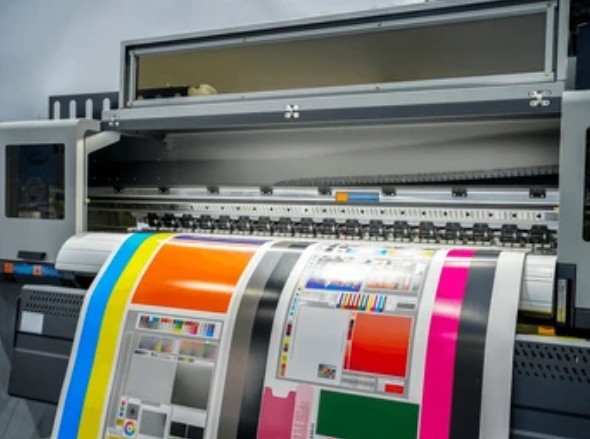



Can you smell the ink in printing factory?
Why "Getting Used to the Smell" is a Dangerous Trap
When designers or clients walk into a printing shop, their immediate reaction is often: "Wow, the chemical smell here is so strong!"
Yet, many first-line pressmen simply reply: "You get used to it after a while, it’s really not that bad."
This "lack of sensation" does not mean the environment is safe. It simply means your body has adapted to the chemical stimuli, causing your sense of smell to become numb. Just because you can no longer smell the pollutants does not mean they have disappeared—they are still entering your body with every single breath.
4 Invisible Air Hazards in the Printing Industry
A printing shop is filled with more than just paper and machines. It contains multiple overlooked airborne hazards:
1. Inks and Ink Mists: During high-speed printing and drying processes, inks release fine aerosols and volatile compounds into the workspace.
2. Press Washes and Cleaning Solvents: Cleaning printing equipment releases large amounts of Volatile Organic Compounds (VOCs), which are the primary source of that sharp, pungent odor.
3. Paper Dust and Trimming Powder: Moving, cutting, and processing paper generates micro-fine paper dust. While invisible to the naked eye, it remains suspended in the air for hours.
4. Mixed Occupational Exposure: Pressrooms rarely deal with a single pollutant; workers face a complex cocktail of oily particles + chemical vapors + fine dust simultaneously.
"You haven't stopped inhaling it; your brain has just stopped warning you."
Many assume that if something is truly harmful, it should feel unbearably smelly or uncomfortable. In reality, prolonged exposure causes the brain to desensitize to the scent. Your sense of smell adapts, but your lungs never do. The oily mists, VOCs, and fine dust continue to flood your nasal passages, trachea, and lungs.
Are You Experiencing These Common Pressroom Ailments?
If you frequently experience any of the following symptoms after a shift, do not brush them off as "just part of the job":
-
Dry or itchy throat
-
Stuffy or runny nose
-
Constant coughing or throat-clearing
-
Headaches or a heavy, dizzy feeling from the air
-
Ink or solvent odors lingering on your clothes and body after work
Why Medical Masks Fail in Printing Shops
Printing environments present a mixed hazard of oily aerosols, fine dust, and volatile vapors.
Standard medical masks are designed for droplets and bacteria; their filtration capability against these industrial-grade, ultra-fine chemical pollutants is incredibly limited. On the other hand, traditional high-protection masks (like standard N95s) are often too stuffy, heavy, and restrictive for long shifts.
An effective mask doesn't just need a high rating—it must be comfortable enough for workers to actually keep it on.
Why Professionals Are Switching to dc Masks
For printing professionals, respiratory protection shouldn't be an afterthought—it should be an effortless part of your daily gear.
-
Nanofiber Membrane for Physical Blocking: Unlike traditional masks that rely purely on static electricity (which fails when exposed to oil), DCT uses advanced membrane technology to physically block oily particles, ink mists, and micro-fine paper dust.
-
Built for Long Shifts: Compared to heavy, traditional high-protection masks, DCT prioritizes breathability and comfort, making it ideal for extended wear and repetitive workshop tasks.
-
Engineered for Mixed Air Hazards: DCT handles the reality of the pressroom floor—offering comprehensive defense where paper dust, ink aerosols, and PM2.5 coexist.
-
Washable and Reusable: For daily workers, being able to wash and reuse the mask significantly slashes daily replacement costs, making it both practical and eco-friendly.
Essential Respiratory Safety Tips for Pressrooms
Beyond wearing the right mask, ensure your workshop implements these safety measures:
-
Enhance overall ventilation and install local exhaust systems.
-
Maintain equipment regularly to minimize solvent and ink mist leakage.
-
Pay extra attention to personal protection during cutting, cleaning, and press-washing tasks.
-
Never use your sense of smell to judge whether the air is safe.
-
Treat respiratory protection as a daily standard, not something you only do when it smells bad.
Frequently Asked Questions (FAQ)
Q1: I don’t smell the ink anymore after working here for years. Has my body adapted? No. This is olfactory fatigue—your nose has simply become numb to the stimulus. The pollutants are still in the air, and your lungs are still fully exposed.
Q2: Is the smell the only hazard in printing shop air? Absolutely not. Apart from odors, the air contains oily aerosols, VOCs, paper dust, and fine suspended particles—most of which cannot be evaluated by smell alone.
Q3: Can regular medical masks handle a printing shop environment? No. If your workspace has long-term exposure to fine dust, ink mists, and volatile solvents, medical masks offer insufficient protection. You need specialized, workplace-grade respiratory protection.
Q4: Why do pressmen hate wearing high-protection masks? They are usually hot, stuffy, and hard to breathe through during labor-intensive work. The key to real protection is balancing elite filtration with long-term wearability.
What some call the "scent of craftsmanship" on the printing floor should never be taken lightly. When you stop smelling it, your body hasn't gotten stronger—your senses have just been compromised.
Protecting print quality matters, but protecting your lungs matters more.
Take Action Today
If you work in a printing shop, struggle with heavy ink and solvent odors, or want a mask that is significantly more breathable than traditional N95s while blocking oily particles and dust, contact DCT today.
-
Line@: @dctpro
-
Customer Service: 04-26810387